
How HR Software Supports Remote and Hybrid Workforces
The rise of remote and hybrid work models has completely transformed the way organisations operate. HR software has emerged as a vital enabler, providing the tools needed to support employees wherever they work.
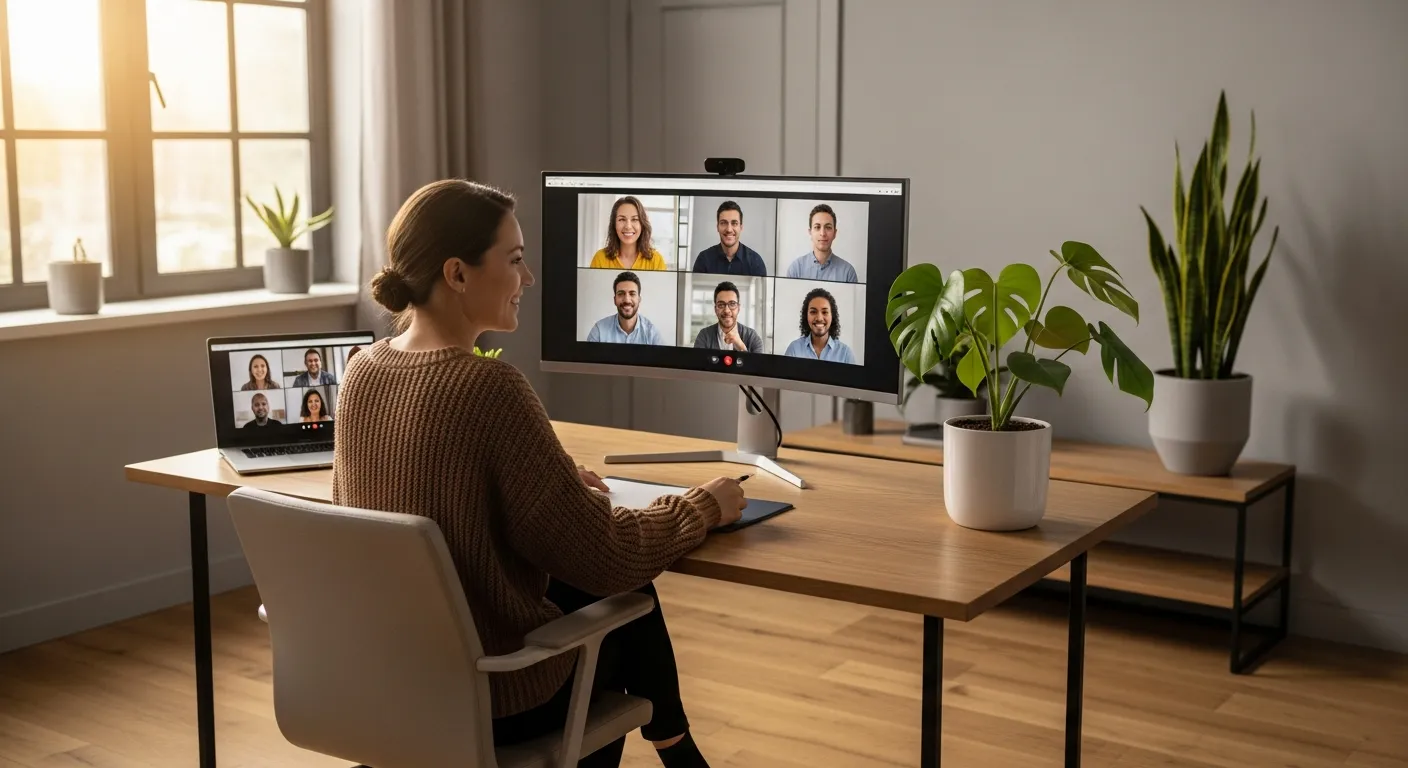
The rise of remote and hybrid work models has completely transformed the way organisations operate. What began as a necessary response to a global crisis has now become a permanent fixture in the modern workplace. Employees today expect greater flexibility, and businesses are recognising the advantages that come with a distributed workforce.
In this evolving work landscape, HR software has emerged as a vital enabler. It provides the tools and infrastructure needed to support employees wherever they work, while giving HR professionals the control and insight required to keep operations running smoothly.
Centralising Access to Critical Information
One of the biggest hurdles for remote and hybrid teams is ensuring that employees have equal access to critical information. HR software addresses this by centralising all employee data, policies, and documents into one secure, cloud-based platform. Whether an employee is logging in from home, a co-working space, or an office in another city, they can access the resources they need in real time.
Seamless Communication
Communication is another area where remote work can pose challenges. HR software often integrates seamlessly with platforms like Microsoft Teams, Slack, and Zoom, allowing HR updates, announcements, and internal campaigns to be delivered efficiently.
Digital Onboarding
Onboarding new employees is especially tricky in a hybrid or remote environment. HR software bridges this gap by delivering a structured, digital onboarding experience. New employees can complete paperwork, access welcome materials, meet their team virtually, and begin training—all through a single platform.
Attendance and Time Tracking
HR software offers built-in features that allow employees to log their work hours, breaks, and time off, providing managers with visibility into team availability and workload. Accurate tracking also simplifies payroll and compliance.
Performance Management
With the right HR system, managers can track employee progress, schedule check-ins, document conversations, and provide coaching—all through the platform. This creates a more structured and transparent approach to employee development.
Employee Self-Service
Modern HR platforms empower employees to update personal details, view payslips, submit leave applications, and access documents without needing to contact HR directly. This autonomy not only improves the employee experience but also reduces administrative strain.
Learning and Development
Training programs and compliance modules can be delivered online through integrated learning management systems, making upskilling and reskilling accessible from anywhere.
Real-Time Analytics
With centralised dashboards, HR leaders can gain valuable insights into workforce trends, engagement levels, turnover risks, and more. These insights inform strategic decisions and help identify areas of improvement.