
The High Cost of Not Using a Modern HRIS in Your Business
In today's fast-paced Australian business environment, an optimised HR system is no longer a luxury, it's a necessity. The real question is: how much is it costing your business to operate without one?
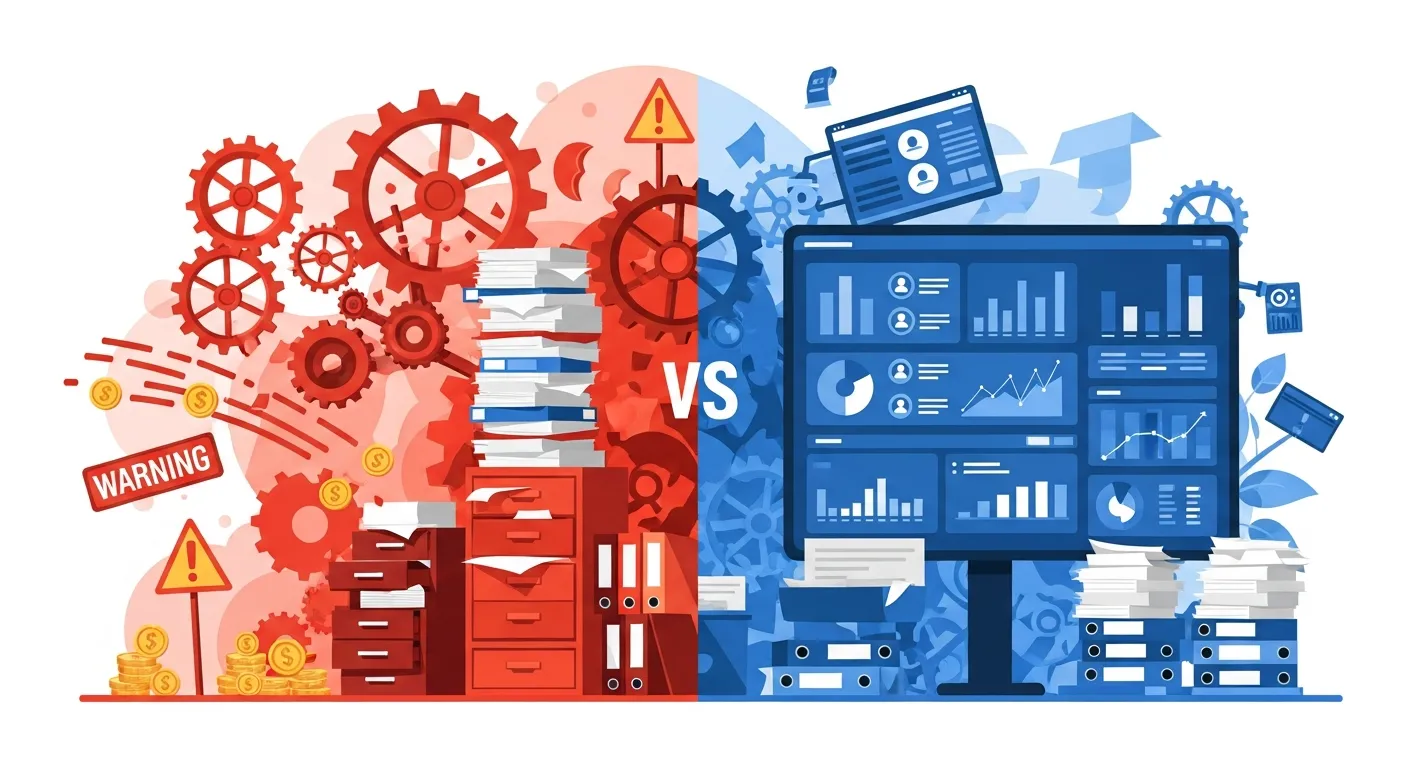
In today's fast-paced Australian business environment, an optimised HR system is no longer a luxury—it's a necessity for remaining competitive. While many decision-makers focus on the upfront cost of HR software, the real question they should be asking is: "How much is it costing my business to operate without one?"
The hidden costs of manual HR processes are significant and can impact a business's productivity, compliance, and employee morale. Australian organisations typically spend between $400-$600 per employee annually on manual HR processes, which for a mid-sized business with 500 employees, can equate to up to $300,000 in lost productivity and administrative costs each year.
A modern HRIS, or Human Resources Information System, saves money, streamlines operations, eliminates paper-based files, and keeps all business intelligence and employee data highly organised and secure, accessible from anywhere.
The Hidden Costs of Manual HR
The true cost of not using HR software extends far beyond just lost time. It manifests in a number of critical areas:
Time and Productivity Drain
HR professionals spend a significant portion of their week on repetitive, manual tasks. Research shows that HR teams can dedicate nearly four weeks annually to these duties, with each manual data entry costing an average of $4.78.
Costly Errors and Compliance Breaches
Manual processes are prone to human error, which can have severe financial and legal consequences. In Australia, payroll errors alone cost businesses approximately $35 billion annually, with each single error costing an average of $180 to fix. The Fair Work Ombudsman has noted that digital compliance tools can help reduce penalty risks by up to 30%.
Poor Employee Experience and Higher Turnover
When employees face delays in receiving benefits, resolving payroll issues, or accessing essential information, it leads to frustration and disengagement. This negative experience contributes to higher employee turnover, which is incredibly costly, with replacement costs often equalling 50-200% of an employee's annual salary.
Lack of Strategic Focus
By being bogged down in administrative tasks, HR professionals are prevented from focusing on high-value, strategic initiatives like talent development, succession planning, and culture building. High-performing HR departments, which typically spend 60-70% of their time on strategic activities, report 22% higher employee productivity and 30% lower voluntary turnover.
The Investment: Three Types of HR Software Models
Moving beyond manual processes is a strategic investment, and there are three primary models of HR software to consider:
Cloud HR Software (SaaS)
This is the most popular and flexible model, offering a pay-as-you-go approach that charges a fee for each employee per month. This is an ideal solution for companies with rapidly changing workforces or those with limited upfront capital. Research predicts that 50 percent of employees will operate under flexible arrangements, making a flexible, cloud-based solution ideal for the future of work.
On-Premise Licensed Software
This traditional approach involves a one-time license fee to install the software on-site. While this can offer greater customisation, it often comes with hidden costs such as expensive implementation, ongoing maintenance, and the need for dedicated IT staff.
Free or Open-Source HR Software
While initially appealing for cash-strapped companies, these systems often lack the robust features, compliance updates, and security necessary for a growing business. They can also come with hidden costs, such as the time spent by internal IT staff on troubleshooting and a lack of support.
Choosing the Right Investment
The best practice for choosing HR software involves more than just comparing pricing. It's an investment that delivers powerful, long-term returns. Decision-makers should study the benefits, determine which are most critical for their business, and assess the total cost of ownership against the potential ROI.
An investment in a modern HRIS can lead to significant improvements in efficiency, compliance, and employee engagement. By automating time-consuming tasks and providing a centralised source of truth, an HRIS frees your team to focus on what truly matters: your people. This strategic shift from administrative burden to human capital management is the key to building a resilient, compliant, and thriving Australian business.