
A Guide for Australian HR Teams: How to Make R U OK? Day Count
Mental health is a critical issue in Australian workplaces. R U OK? Day is more than just an annual event; it's a powerful catalyst for a year-round commitment to employee wellbeing.
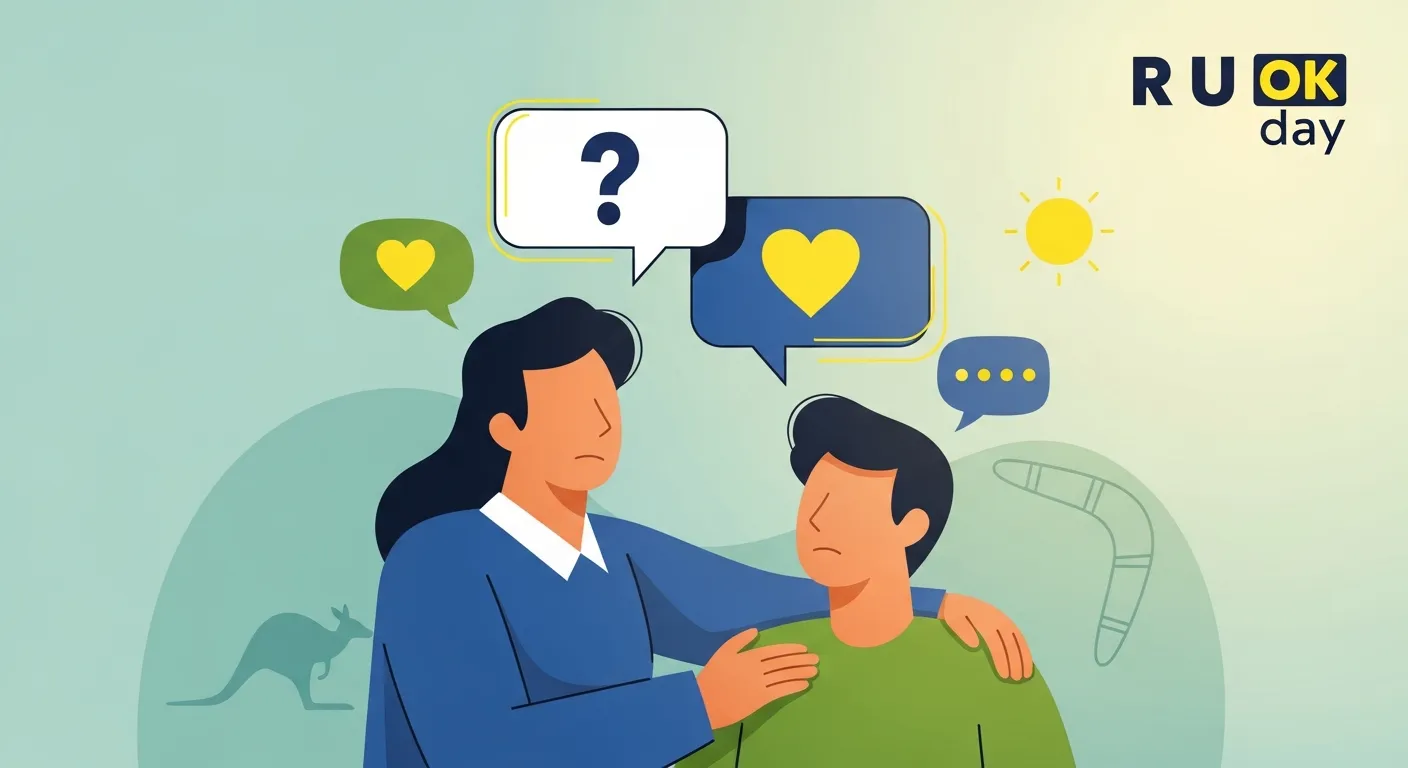
Mental health is a critical issue in Australian workplaces, and it's up to HR teams to lead the charge in fostering a supportive culture. R U OK? Day is more than just an annual event; it's a powerful catalyst for a year-round commitment to employee wellbeing.
This guide is for HR professionals looking to move beyond a one-day campaign and build a truly resilient, mentally healthy workplace.
The Business Case for Workplace Wellbeing
Poor mental health isn't just a personal issue—it has a significant impact on an organisation's bottom line. The Australian economy is estimated to lose between $12.2 and $22.5 billion each year due to poor mental health (Beyond Blue). Investing in employee wellbeing can provide a positive return on investment, with an average of $2.30 for every dollar spent.
A recent survey revealed that nearly one in three Australian adults are experiencing social and emotional issues negatively impacting their daily lives, with one in five cutting back on work because of it. The same report highlighted that 46% of employees are experiencing some degree of burnout, with 60% of those reporting a decline in performance.
As an HR leader, your role is to mitigate these risks and create a culture where employees feel supported and valued.
Building an R U OK? Culture: A Year-Round Strategy
While a day of action is important, the real work for HR teams is embedding the message into the company's DNA. Here's how you can build a sustainable, supportive culture:
Train Your Leaders
Supervisors and managers are on the front lines of employee wellbeing. Equip them with the skills to recognise warning signs, have empathetic conversations, and refer team members to professional help.
Leverage Your HRIS
Your HR software can be a powerful tool for promoting wellbeing. Use it to:
- Offer Digital Mental Health Resources: Integrate access to online counselling services, meditation apps, or mental health support programs directly through your HRIS dashboard.
- Streamline Leave Management: A modern HRIS makes it easy for employees to request time off, which reduces stress and gives them more control over their work-life balance.
- Enable Anonymous Feedback: Conduct wellbeing surveys through your HRIS to gather valuable, confidential data on what's affecting your staff.
Implement Formal and Informal Support Networks
- Peer Support Programs: Train key employees to be "R U OK? champions" who can provide informal support and encourage open conversations.
- Employee Assistance Programs (EAPs): Ensure your EAP is easily accessible and well-promoted.
Promote a Culture of Openness
- Share Stories: Use internal communications (blogs, newsletters, team meetings) to share stories that demonstrate the power of conversation.
- Lead from the Top: Encourage senior leaders to openly talk about mental health. When leaders model compassionate behaviour, it sends a powerful message.
Meaningful Activities for HR Teams
Here are some modern, impactful activities:
- Host an interactive online workshop: Instead of a generic presentation, invite a guest speaker or a mental health expert to lead a discussion.
- Run a workplace wellbeing challenge: Encourage employees to participate in a step challenge, a mindfulness week, or a virtual meditation session.
- Distribute a "Conversation Starter" guide: Create a simple PDF or digital resource with prompts and tips for having a meaningful conversation.
- Send a personalised wellbeing check-in: Use your HRIS to send a targeted, automated message to employees, reminding them of available resources.
R U OK? Day is a crucial opportunity for Australian HR teams to show their commitment to employee mental health. By moving from a single-day event to a continuous, strategic effort, you can not only improve the lives of your employees but also build a more productive, resilient, and thriving organisation.