
How to build a succession plan
Identify critical roles, assess readiness fairly and build development actions that strengthen organisational continuity.
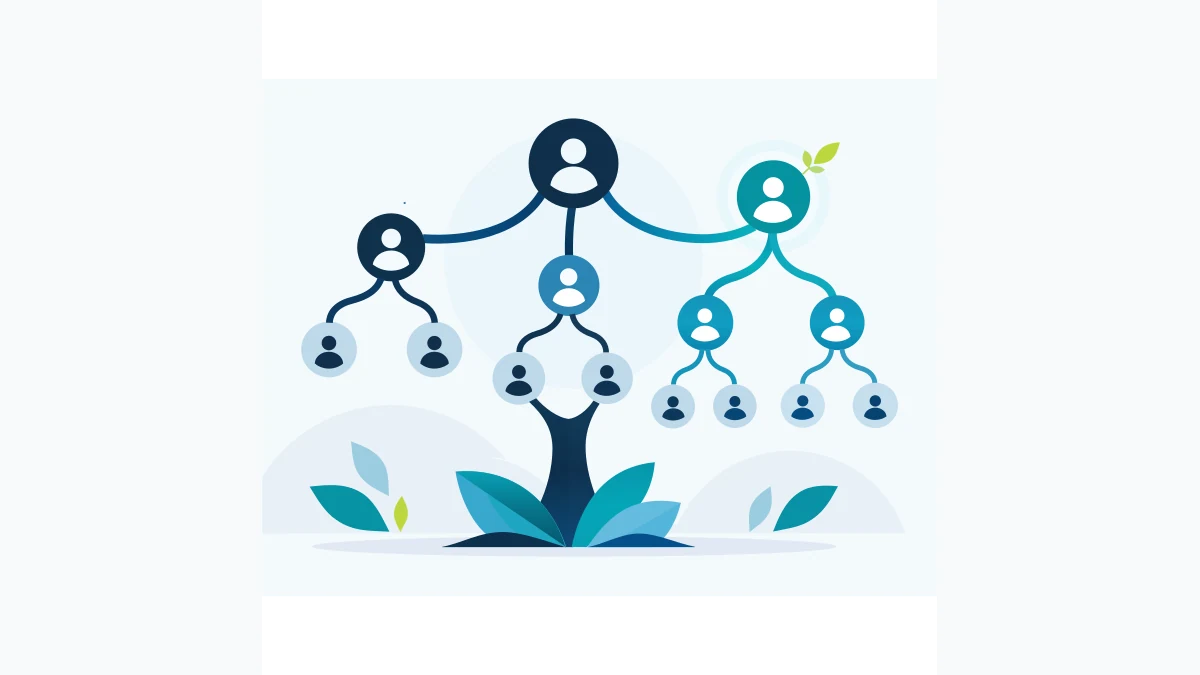
Succession planning helps an organisation prepare for changes in roles that are important to continuity. It should not be a private list of favoured employees or a promise that a particular person will be promoted.
A useful plan connects critical work, role requirements, evidence of readiness and practical development.
Identify roles by business impact
Start with the work the organisation would struggle to sustain if a role became vacant. Consider specialist knowledge, decision authority, relationships and the time needed to develop a replacement.
Critical roles are not always the most senior. A specialist operational role may have greater immediate continuity risk than a management position with several experienced deputies.
Distinguish emergency cover from long-term succession. Someone may be able to maintain essential activities temporarily without being ready for the full role.
Define what readiness means
Describe the capabilities, experience and role-specific requirements needed to perform the work. Use observable criteria rather than broad labels such as “leadership potential”.
Assess readiness against the role, not against the personality or career history of the current incumbent. The future role may also need to change.
Record gaps and uncertainty. A simple label can be useful for discussion, but it should be supported by evidence and a clear explanation.
Consider people fairly
Use more than one perspective when assessing candidates. Review actual work, relevant assignments and development evidence, and check whether access to opportunities has been uneven.
Ask employees about their interests and constraints. Strong performance in a current role does not establish a desire to move into another one.
Keep assessments appropriately restricted. Explain the development process without implying that inclusion guarantees promotion or exclusion prevents future consideration.
Build development around real work
Each development action should address an identified gap. Options include supervised assignments, project leadership, mentoring, structured learning and temporary cover.
For example, an employee considered for an operations role may need experience managing a cross-team handover. A useful action would identify the assignment, support person, expected evidence and review date.
“Attend leadership training” is incomplete unless the plan explains how the learning will be applied and assessed.
Test the continuity arrangements
An illustrative succession worksheet might include:
| Planning question | What to record |
|---|---|
| What makes the role critical? | The delivery or continuity consequence |
| Who can provide temporary cover? | Scope, limitations and approval |
| What does full readiness require? | Role-specific evidence |
| What development is planned? | Assignment, owner and review date |
| What if no internal option is ready? | External or work-design alternatives |
Check whether the same person appears as the only backup for several roles. A plan that depends on one employee absorbing multiple vacancies may not be workable.
Review after meaningful changes
Refresh the plan when strategy, role design, employee aspirations or workforce availability change. Check whether development actions improved readiness rather than merely being completed.
Keep a record of the reasoning behind important assessments. Where systems or analytics support the process, managers remain responsible for interpreting the information and making fair decisions.
See talent management and workforce planning for related areas. The purpose is resilience and development, not certainty about a future appointment.